THE ART OF SOUTH AFRICAN ABSTRACT EXPRESSIONISM
Are you ready to embark on a visual odyssey through the captivating world of South African Abstract Expressionism? Vibrant tapestry of art that defines this unique artistic movement. South African abstract expressionism is a vital, evolving artistic movement that merges global trends in abstraction with the unique cultural, social, and political realities of South Africa

Unveling the Origins
South African Abstract Expressionism traces its origins back to the mid-20th century when a wave of artists sought to break free from traditional norms and explore the realms of the abstract. Influenced by international art movements such as Surrealism and Cubism, South African artists put their distinctive spin on these styles, infusing them with elements of local culture, identity, and history.South African Abstract Expressionism has its roots in both global and local contexts, combining the international influence of Abstract Expressionism
The language of abstraction
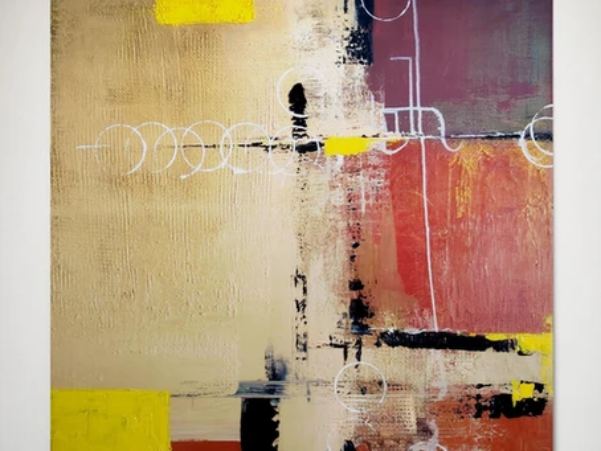
At the heart of South African Abstract Expressionism lies a fascination with the power of abstraction to convey emotion, energy, and meaning beyond the confines of reality. Through a dynamic interplay of shapes, colors, and textures, artists communicate a range of themes – from the personal and introspective to the political and social. The language of abstraction in art is a complex and expressive system through which artists communicate beyond literal representation. It relies on form, color, texture, and composition to evoke emotion, ideas, and experiences rather than depicting the physical world or specific subjects realistically. Abstract art can be non-representational, focusing solely on the use of shapes and colors, or semi-representational, where the abstract elements still suggest figures or scenes,
Capturing the essence of South Africa
One of the most compelling aspects of South African Abstract Expressionism is its ability to reflect the rich tapestry of South African history, culture, and landscape. From the urban jungles of Johannesburg to the vast expanse of the Karoo, artists draw inspiration from the diverse mosaic of experiences that define the nation. Capturing the essence of South Africa in art requires portraying its vast cultural, historical, and natural diversity, along with the social and political landscapes that have shaped the country’s identity
A Contemporary renaissance
Today, South African Abstract Expressionism continues to evolve and flourish, with a new generation of artists pushing boundaries, challenging norms, and redefining the possibilities of abstract art. From experimental mixed media works to immersive installations, the landscape of South African art is as diverse and dynamic as the nation itself.
Emotion, Passion and Diversity
In conclusion, South African Abstract Expressionism represents a vibrant tapestry of creativity, imagination, and cultural heritage that captivates and inspires. Whether you’re a seasoned art enthusiast or a casual observer, the world of South African abstract art offers a kaleidoscopic journey through the boundless realms of human expression. South African abstract expressionism frequently engages with themes of spirituality, often rooted in African traditions. The emotional expression in these works is tied to ideas of healing, reconciliation, and connection to the natural and spiritual world. For many artists, abstraction was a way to transcend the immediate political and social turmoil and tap into deeper, more universal emotional experiences.
Culture, History and identity
The history of South African Abstract Expressionism is a testament to the resilience and creativity of artists working in a society marked by division and oppression. From its early roots in the mid-20th century, where it provided a means of covert political expression, to its flourishing in the post-apartheid era, South African abstract expressionism has continually evolved. It has blended African cultural elements with modernist techniques, creating a unique artistic voice that reflects the country’s history, struggles, and aspirations for the future.